
Schreiben Sie uns!
Rufen Sie uns an!
In this section, you will find scientific publications in which our ARACUS amino acid analyzer has been used. These articles provide insight into various fields of application, illustrate the practical benefits, and show the results that could be achieved through the use of the system. All publications were published in English unless indicated otherwise.
Reemtsma, F. P.; Giers, J.; Horstmann, S.; Stoeckle, S. D.; Gehlen, H. Evaluation of Concentration Changes in Plasma Amino Acids and Their Metabolites in Eventing Horses During Cross-Country Competitions as Potential Performance Predictors. Animals 2025, 15 (24), 3640.
https://doi.org/10.3390/ani15243640
The interdependence of amino acid metabolism and muscular adaptation to physical performance was evaluated by analyzing plasma amino acid concentrations and selected nitrogen metabolites across a competitive eventing season. Twenty Warmblood horses were assessed repeatedly during 14 international cross-country competitions over 23 weeks, resulting in 55 evaluated rides. The findings indicate a potential contribution of leucine to improved performance and suggest alanine and proline as candidate performance-related biomarkers in eventing horses.
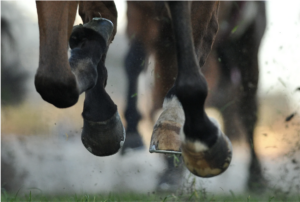

Reemtsma, F. P.; Giers, J.; Horstmann, S.; Stoeckle, S. D.; Gehlen, H. Evaluation of Concentration Changes in Plasma Amino Acids and Their Metabolites in Eventing Horses During Cross-Country Competitions as Potential Performance Predictors. Animals 2025, 15 (24), 3640.
https://doi.org/10.3390/ani15243640.
Eventing horses undergo significant stress during cross-country exercise, affecting amino acid and metabolite levels. Most plasma amino acids increase after exertion, except cysteine, which decreases. Levels return to normal by the next morning, with proline remaining high and glycine decreasing. Ammonia and urea also rise and stay elevated, showing that exercise induces specific time-dependent metabolic changes.
Golub, N. A.; Soldatov, A. A.; Ryabushko, V. I.; Kuznetsov, A. V.; Kurchenko, V. P.; Budkevich, E. V. Effect of Hypoxia on Amino Acid Content in Hemolymph and Protein Hydrolysate of the Bivalve Mollusk Anadara Kagoshimensis J Evol Biochem Phys 2024, 60 (1), 136–150.
https://doi.org/10.1134/S0022093024010101.
Anadara kagoshimensis is an invasive bivalve species in the Black and Azov Seas. Analysis of its hemolymph and soft tissues revealed high levels of histidine and proline. Under low-oxygen conditions, aliphatic amino acids decrease while aromatic amino acids increase. The species shifts its metabolism to anaerobic amino acid breakdown, producing arginine and urea — key components in antioxidant defense. High histidine and urea levels may enhance stress tolerance and contribute to its invasive success.

Zhang, X.; Li, X.; Liu, S.-Q. Enzymatic Hydrolysis of Minced Chicken Carcasses for Protein Hydrolysate Production. Poultry Science 2023, 102 (8), 102791.
https://doi.org/10.1016/j.psj.2023.102791
Chicken by-products were enzymatically hydrolyzed to produce protein hydrolysates usable as nutritional or flavor-enhancing ingredients. Five microbial proteases were tested, with PB02 showing the highest hydrolysis (43.95%) after 4 hours. Optimal conditions — enzyme/substrate ratio 3:100, 51.2 °C, pH 6.6, and 1:1 substrate/water — yielded a 45.44% hydrolysis degree and 50.45% protein recovery. The hydrolysate, rich in free amino acids and low-molecular-weight peptides, showed strong potential as a nutritious, taste-active, or fermentation ingredient.
Psarianos, M.; Ojha, S.; Schlüter, O. K. Evaluating an Emerging Technology-Based Biorefinery for Edible House Crickets. Front. Nutr. 2023, 10, 1185612.
House crickets are promising for future food systems due to their high nutritional value, low environmental impact, and increasing consumer acceptance. Their proteins, lipids, chitin, and phenolics make them valuable for producing nutritious products, while new processing technologies and green solvents can enhance this utilization.
Lee, J. H.; Kang, H.; Kim, S.; Ahn, Y. B.; Kim, H.; Hong, J. K.; Baik, J. Y.
Supplementation Improves mAb Productivity in CHO Cells via a Glucose Metabolic Shift.
Biotechnology Journal 2023, 18 (4), 2200570.
https://doi.org/10.1002/biot.202200570
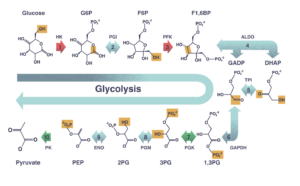
Aerobic glycolysis and lactate buildup often reduce CHO cell viability and protein yield. This study examined the effect of NAD⁺ supplementation on CHO cell metabolism and antibody production. NAD⁺ increased intracellular NAD⁺ and SIRT3 expression, boosted antibody titer and productivity by up to 1.9-fold, and lowered ROS and lactate levels. Enhanced oxidative phosphorylation and amino acid utilization were also observed. Overall, NAD⁺ supplementation promotes efficient energy metabolism and improves therapeutic protein productivity in CHO cell bioprocessing.
Kang, D. E.; An, Y. B.; Kim, Y.; Ahn, S.; Kim, Y. J.; Lim, J. S.; Ryu, S. H.; Choi, H.; Yoo, J.; You, W.-K.; Lee, D.-Y.; Park, J.; Hong, M.; Lee, G. M.; Baik, J. Y.; Hong, J. K. Enhanced Cell Growth, Production, and mAb Quality Produced in Chinese Hamster Ovary-K1 Cells by Supplementing Polyamine in the Media. Appl Microbiol Biotechnol 2023, 107 (9), 2855–2870.
https://doi.org/10.1007/s00253-023-12459-7
Polyamines (putrescine, spermidine, spermine) regulate key cellular functions but may be deficient in CHO-K1 cells, requiring supplementation in serum-free media. This study showed that polyamine removal reduced cell growth and antibody production, while supplementation improved both in a dose-dependent manner. However, excessive polyamines impaired performance and antibody quality. Therefore, optimizing polyamine concentration is crucial for improving CHO cell culture efficiency and product quality.
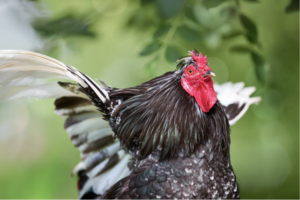
Chaiwang, N.; Marupanthorn, K.; Krutthai, N.; Wattanakul, W.; Jaturasitha, S.; Arjin, C.; Sringarm, K.; Setthaya, P. Assessment of Nucleic Acid Content, Amino Acid Profile, Carcass, and Meat Quality of Thai Native Chicken. Poultry Science2023, 102 (11), 103067.
https://doi.org/10.1016/j.psj.2023.103067.
This study examined how chicken breed affects meat composition and quality to develop functional chicken meat. Four breeds — commercial broilers (CBR), Thai native chickens (MHS and PHD), and male layer chickens (MLC) — were raised under identical conditions. Results showed significant differences among breeds. Commercial chickens (CBR, MLC) had better carcass traits, while Thai native chickens had lower fat, cholesterol, and purine levels. MHS meat contained high glutamic acid and low oxidative compounds, making it a potential functional meat with good taste and health benefits.
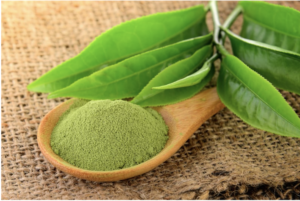
Wang, R.; Sun, J.; Lassabliere, B.; Yu, B.; Liu, S. Q. Green Tea Fermentation with Saccharomyces Boulardii CNCM I-745 and Lactiplantibacillus Plantarum 299V. LWT2022, 157, 113081.
https://doi.org/10.1016/j.lwt.2022.113081.
Green tea was fermented with Saccharomyces boulardii and Lactiplantibacillus plantarum individually and in combination. Co-fermentation significantly improved LAB survival, enhanced fruity aroma compounds, and increased methyl salicylate, geraniol, and 2-phenylethyl alcohol levels while lowering lactic acid. These results suggest probiotic fermentation as a novel approach to enrich tea flavor and develop functional beverages with high probiotic counts.
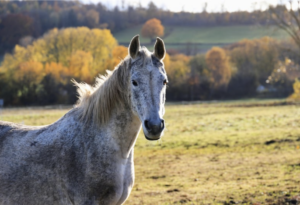
Stoeckle, S. D.; Timmermann, D.; Merle, R.; Gehlen, H. Plasma Amino Acids in Horses Suffering from Pituitary Pars Intermedia Dysfunction. Animals 2022, 12 (23), 3315.
https://doi.org/10.3390/ani12233315
Pituitary pars intermedia dysfunction (PPID) is a common disease in aged horses, similar to Parkinson’s in its dopaminergic degeneration. This study analyzed plasma amino acid profiles in horses classified as non-PPID, PPID, and pergolide-treated subgroups based on ACTH levels. Among 93 horses, 53 met inclusion criteria. Arginine, asparagine, citrulline, and glutamine were significantly altered across groups, suggesting these amino acids—especially asparagine, citrulline, and glutamine—may serve as diagnostic markers and guide amino acid supplementation in PPID.
Carl, F. Nachweis von Fremdeiweißen. Lebensmittelchemie 2022, 76 (2), 54–58.
https://doi.org/10.1002/lemi.202200205
The study examined analytical detection of added protein hydrolysates in shrimp products via amino acid analysis. It aimed to identify marker amino acids for soy, fish, and bovine collagen hydrolysates in white tiger shrimp. Soy hydrolysates were detectable via free amino acids (especially aspartic and glutamic acid), while fish and bovine hydrolysates required NPN analysis (markers: glycine, arginine, proline, hydroxylysine). Commercial samples showed lower amino acid levels due to processing, limiting concentration-based detection. Further research on processing effects is recommended.
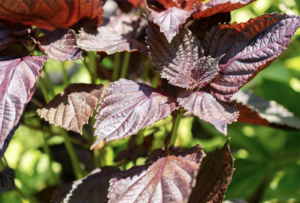
Souphannavong, C.; Sringarm, K.; Thongkham, M.; Seel-audom, M.; Mekchay, S.; Sringarm, K. Nutritional Values and Nutrient Digestibility of Ground Perilla Cake (Perilla Frutescens) in Growing Pig Diets. VIS 2021, 19 (3), 423–438.
https://doi.org/10.12982/VIS.2021.035.
The nutritional composition and digestibility of ground perilla cake (GPC) were evaluated for use as a feed supplement in growing pigs. GPC contained 31.5% crude protein, 10.5% ether extract, 24.4% crude fiber, and was rich in linolenic acid (C18:3n3; 55.97%) and γ-tocopherol. Essential amino acids totaled 138.3 mg/g, with leucine as the most abundant. Increasing GPC levels reduced the ileal digestibility of dry matter, fat, and fiber, while 5% supplementation improved apparent total tract digestibility of protein and fat. GPC shows potential as an alternative protein and energy source containing high levels of polyunsaturated fatty acids.
Ertelt, A.; Stumpff, F.; Merle, R.; Kuban, S.; Bollinger, L.; Liertz, S. Asymmetric Dimethylarginine–A Potential Cardiac Biomarker in Horses. Journal of Veterinary Cardiology 2021, 33, 43–51.
https://doi.org/10.1016/j.jvc.2020.11.002.
Serum asymmetric dimethylarginine (ADMA) and symmetric dimethylarginine (SDMA) were evaluated as potential biomarkers for cardiac disease detection in horses using ELISA. Reference values were established from 78 healthy horses and compared with 23 horses exhibiting structural cardiac disease. Reference ranges were 1.7–3.8 µmol/L for ADMA and 0.3–0.8 µmol/L for SDMA. Horses with cardiac disease showed significantly elevated ADMA concentrations (p < 0.01) and reduced L-arginine/ADMA ratios (p = 0.001) compared with healthy controls. The findings indicate that increased ADMA and decreased L-arginine/ADMA ratio are associated with equine cardiac disease and may serve as diagnostic indicators.


Alqudah, A.; Wedyan, M.; Qnais, E.; Jawarneh, H.; McClements, L. Plasma Amino Acids Metabolomics’ Important in Glucose Management in Type 2 Diabetes. Front. Pharmacol. 2021, 12, 695418.
https://doi.org/10.3389/fphar.2021.695418.
This study examined plasma amino acid profiles in 124 people with type 2 diabetes (T2D) and 67 healthy controls in Jordan, all with normal BMI and treated only with metformin. Several amino acids differed significantly: Leucine, Lysine, Phenylalanine, Tryptophan, Aspartate, Glutamate, and Cystine were elevated, while Alanine, Serine, and Citrulline were reduced in T2D. These amino acid alterations correlated with fasting glucose and HbA1c levels. The findings suggest that specific amino acids may serve as therapeutic targets for improving T2D management and reducing cardiovascular risk.
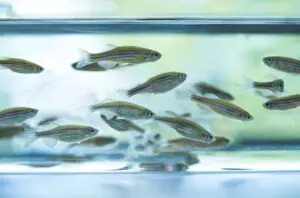
Zhu, Q.-S.; Wang, J.; He, S.; Liang, X.-F.; Xie, S.; Xiao, Q.-Q. Early Leucine Programming on Protein Utilization and mTOR Signaling by DNA Methylation in Zebrafish. Nutr Metab (Lond) 2020, 17 (1), 67.
https://doi.org/10.1186/s12986-020-00487-3
Early leucine exposure of zebrafish (Danio rerio) was investigated for its effects on growth, metabolism, and epigenetic regulation of the mTOR signaling pathway. Larvae were treated with 1.0% leucine from 3 to 13 days post-hatching and maintained in normal water until 83 days. Leucine programming enhanced growth performance and protein content, accompanied by increased expression of genes related to amino acid and glycolipid metabolism. DNA methylation analysis revealed reduced methylation of CG- and CHH-type regions in genes associated with the mTOR pathway, including Grb10, eIF4E, and mTOR. These epigenetic changes likely contributed to upregulated gene expression, suggesting that early leucine programming promotes protein synthesis and growth through mTOR pathway modulation.
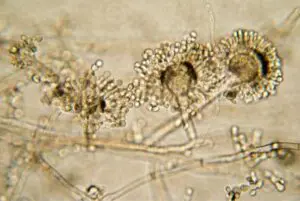
Xu, J.; Jin, F.; Hao, J.; Regenstein, J. M.; Wang, F. Preparation of Soy Sauce by Walnut Meal Fermentation: Composition, Antioxidant Properties, and Angiotensin‐converting Enzyme Inhibitory Activities. Nutrition 2020, 8 (3), 1665–1676.
https://doi.org/10.1002/fsn3.1453.
Walnut meal, a by-product of oil extraction, was utilized with Aspergillus oryzae (3.042) to produce a soy sauce analogue with high amino nitrogen content (ANC). Optimal fermentation conditions (brine:koji ratio 1.7:1, 6 days at 45 °C) yielded a maximum ANC of 855 mg/100 mL. The walnut soy sauce exhibited an amino acid composition comparable to commercial soy sauces, containing all essential and abundant umami amino acids (Glu, Asp). Solvent extractions showed that ethyl acetate fractions contained the highest phenolic and flavonoid contents, while water residues had the greatest levels of reducing sugars, peptides, and antioxidant and ACE inhibitory activities. These findings highlight the potential of walnut meal as a functional raw material for producing soy sauce alternatives with bioactive properties.
Sommano, S. R.; Bhat, F. M.; Wongkeaw, M.; Sriwichai, T.; Sunanta, P.; Chuttong, B.; Burgett, M. Amino Acid Profiling and Chemometric Relations of Black Dwarf Honey and Bee Pollen. Front. Nutr. 2020, 7, 558579.
https://doi.org/10.3389/fnut.2020.558579.
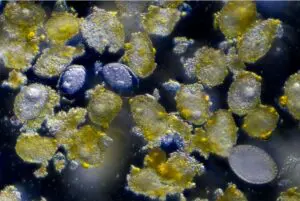
Bee pollen from Apis andreniformis colonies was characterized based on morphology, proximate composition, amino acid profile, and nutritional properties in relation to corresponding honey. Pollen grains exhibited psilate, scabrate, clavate, and echinate surface morphologies. The total amino acid content of pollen (150 mg/g) was markedly higher than that of honey (15 mg/g), with threonine, phenylalanine, and leucine as dominant essential amino acids, and proline as the lowest. Pollen samples contained 5.01–5.05% fat, while honey showed none. Honey moisture slightly exceeded Codex limits, and carbohydrate content ranged from 67.8% to 73.2%. Both pollen and honey demonstrated favorable in vitro protein digestibility, indicating strong nutritional potential.
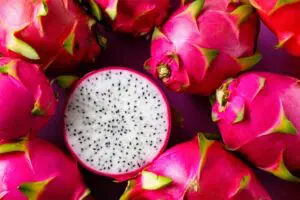
Jiang, X.; Lu, Y.; Liu, S. Q. Effects of Different Yeasts on Physicochemical and Oenological Properties of Red Dragon Fruit Wine Fermented with Saccharomyces Cerevisiae, Torulaspora Delbrueckii and Lachancea Thermotolerans. Microorganisms 2020, 8 (3), 315.
https://doi.org/10.3390/microorganisms8030315.
Red dragon fruit wine was produced via alcoholic fermentation using Saccharomyces cerevisiae EC-1118, Torulaspora delbrueckii Biodiva, and Lachancea thermotolerans Concerto. All strains achieved similar fermentation efficiency, yielding 8–9% ethanol. T. delbrueckii generated less glycerol and acetic acid, whereas L. thermotolerans produced more lactic and succinic acids. Both non-Saccharomyces yeasts utilized proline more efficiently and retained higher antioxidant activity and color stability than S. cerevisiae. While betacyanin and phenolic compounds were partially degraded, wines fermented with T. delbrueckii and L. thermotolerans exhibited superior sensory and stability characteristics. The results demonstrate the feasibility of using pure non-Saccharomyces yeasts for commercial red dragon fruit wine production.
Chernykh, A. A.; Potolitsyna, N. N.; Burykh, E. A.; Boyko, E. R. Levels of free plasma amino acids under acute normobaric hypoxia in volunteers in fasted and postprandial states. Ulyanovsk Medico-biological Journal 2020, No. 1, 108–117.
https://doi.org/10.34014/2227-1848-2020-1-108-117.
The study examined the effects of acute normobaric hypoxia on plasma free amino acid (AA) concentrations in healthy volunteers under fasting and fed conditions. Thirteen participants underwent hypoxic exposure (9% O₂) after overnight fasting (Group 1), and nine after a light fat-free breakfast (Group 2). Blood samples were collected at baseline and during hypoxia (5, 10, and 20 min) for amino acid analysis. At 10 min, concentrations of serine, threonine, glutamine, and histidine were significantly higher in the fasting group (p < 0.05). These differences likely reflect nutritional modulation of AA transporter activity (ASCT1, ASCT2, LAT1). The findings suggest that metabolic and transporter-related responses to hypoxia are influenced by nutritional status, potentially aiding adaptation to hypoxic stress.

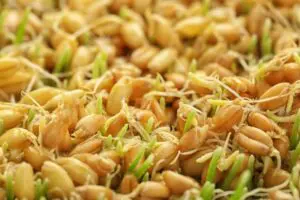
Ahmed, Z.; Manzoor, M. F.; Ahmad, N.; Zeng, X.; Din, Z. U.; Roobab, U.; Qayum, A.; Siddique, R.; Siddeeg, A.; Rahaman, A. Impact of Pulsed Electric Field Treatments on the Growth Parameters of Wheat Seeds and Nutritional Properties of Their Wheat Plantlets Juice. Food Science & Nutrition 2020, 8 (5), 2490–2500.
https://doi.org/10.1002/fsn3.1540.
The effect of pulsed electric field (PEF; 2–6 kV/cm, 25–50 pulses) pretreatment on wheat (Triticum aestivum L.) seeds was evaluated to enhance germination, growth, and nutritional composition. Treatment at 6 kV/cm with 50 pulses significantly improved water absorption, seed germination, and seedling growth. PEF exposure increased total phenolic content, antioxidant activity (DPPH), chlorophylls, carotenoids, soluble proteins, minerals, and amino acids in plantlet extracts compared with untreated controls. These findings suggest that PEF pretreatment stimulates physiological activity, enhances nutrient accumulation, and improves metabolic performance in wheat seedlings.
Abd-Elhamed, W. Amino Acids Profile of Three Different Egyptian Goat Breeds. Egyptian Journal of Applied Science 2020, 35 (12), 261–271.
https://doi.org/10.21608/ejas.2020.145875.
Amino acid profiles were determined in three goat breeds — Baladi, Damascus, and a hybrid (Baladi × Damascus) — using an ARACUS amino acid analyzer with post-column ninhydrin derivatization. Total essential amino acid (EAA) contents were 1319.2, 1327.7, and 1463.5 mmol/mol for Baladi, Damascus, and Hybrid breeds, respectively. Non-essential amino acid (NEAA) totals were 2396.5, 2093.8, and 2177.3 mmol/mol, respectively. Variations were observed in individual amino acid concentrations among breeds, with the hybrid goats showing the highest total EAA levels, indicating genetic influence on amino acid composition.

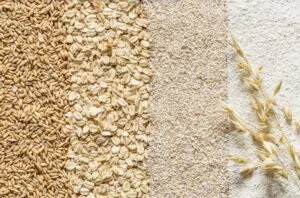
Каширских, E.; Бабич, О; Кригер, О. Production Technology for Oat Protein with Advanced Physicochemical, Functional, and Technological Properties. Food Processing: Techniques and Technology 2019, 49 (2)
https://doi.org/10.21603/2074-9414-2019-2-216-226
Increasing consumer demand for high-quality animal-based products has raised feed costs and driven the search for alternative protein sources. Oat (Avena sativa L.) proteins, characterized by balanced amino acid composition, were extracted and purified using optimized acid and alkaline methods. The optimal extraction parameters were 40 ± 2 °C, hydraulic module 1:10, and 90 min at pH 2.0 (acid) and pH 9.0 (alkaline). Ultrafiltration (100 kDa, pH 8.0, 0.5 MPa) increased high-molecular-weight protein fractions (> 50 kDa) to 55.15%. Protein precipitation with 10% succinic acid achieved 89.3% yield. Purified oat proteins exhibited high foaming capacity (148–177%) and good fat and water retention, suggesting their suitability as functional alternatives to animal proteins.
Zhao, B.; Cui, Y.; Fan, X.; Qi, P.; Liu, C.; Zhou, X.; Zhang, X. Anti-Obesity Effects of Spirulina Platensis Protein Hydrolysate by Modulating Brain-Liver Axis in High-Fat Diet Fed Mice. PLoS ONE 2019, 14 (6), e0218543.
https://doi.org/10.1371/journal.pone.0218543
The anti-obesity effects of whole Spirulina platensis (WSP), Spirulina platensis protein (SPP), and Spirulina platensis protein hydrolysate (SPPH) were evaluated in high-fat diet-fed mice. SPPH significantly reduced body weight (−39.8% ± 9.7%), serum glucose (−23.8% ± 1.6%), and total cholesterol (−20.8% ± 1.4%), outperforming the reference drug Simvastatin. Gene expression profiling revealed distinct transcriptional responses in brain and liver tissues of SPPH-treated mice, notably downregulation of Acadm and upregulation of Gcg, Retn, Fabp4, Ppard, and Slc27a1. Network analysis indicated modulation of the brain–liver axis involving PPAR, AMPK, adipocytokine, MAPK, and non-alcoholic fatty liver disease pathways. These results demonstrate that SPPH exerts potent anti-obesity activity through coordinated regulation of metabolic and signaling pathways.

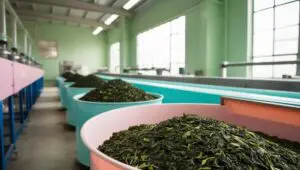
Shi, J.; Xie, D.; Qi, D.; Peng, Q.; Chen, Z.; Schreiner, M.; Lin, Z. Methyl Jasmonate-Induced Changes of Flavor Profiles During the Processing of Green, Oolong, and Black Tea. Front. Plant Sci. 2019, 10, 781.
https://doi.org/10.3389/fpls.2019.00781
Methyl jasmonate (MeJA) was applied to enhance the aroma quality of green, oolong, and black teas by modulating volatile formation during processing. Tea leaves treated with MeJA for 12–168 h exhibited significantly improved aroma profiles compared with untreated leaves, confirmed by sensory evaluation. MeJA increased the levels of benzyl alcohol, benzaldehyde, 2-phenylethyl alcohol, phenylacetaldehyde, and trans-2-hexenal by 1.07–3-fold, accompanied by a reduction in aromatic amino acids, suggesting conversion into tryptophan- and phenylalanine-derived volatiles. Enhanced levels of linalool, geraniol, and carvenol contributed to a more pleasant aroma, particularly in oolong tea.
Rassolov, S. N.; Kurbanova, M. G.; Voroshilin, R. A.; Ulrikh, E. V. Effect of Phytobiotic Fodder Additives Based on Water-Ethanol Extract of Echinacea Purpurea on the Qualitative Characteristics of Rabbit Meat Journal of Advanced Pharmacy Education and Research 2019.
https://vestnik.rgatu.ru/archive/2020_1.pdf
The influence of a phytobiotic feed additive based on a water–ethanol extract of Echinacea purpurea on growth performance and meat quality in young rabbits was evaluated. Thirty young Californian rabbits were divided into one control and five experimental groups receiving 0.5–2.5 g of the additive per animal daily for 30 days. The highest productivity and carcass yield were observed at a dosage of 1.0 g/day. Meat from the treated groups demonstrated improved moisture-binding and water-retention properties, with maximum fat content (2.94 ± 0.80 % and 2.07 ± 0.40 %) in groups II and III, respectively. The results indicate that moderate supplementation with purpurea extract enhances meat quality and productivity in rabbits.


Gao, P.; Xia, W.; Li, X.; Liu, S. Use of Wine and Dairy Yeasts as Starter Cultures for Flavor Compound Modification in Fish Sauce Fermentation. Front. Microbiol.2019, 10, 2300.
https://doi.org/10.3389/fmicb.2019.02300
The effects of wine and dairy yeasts on the fermentation characteristics of tilapia fish head hydrolysate supplemented with glucose were investigated under unsalted and acidic conditions. Three wine yeasts (Torulaspora delbrueckii Biodiva, Saccharomyces cerevisiae Lalvin EC-1118, and Pichia kluyveri Frootzen) and one dairy yeast (Kluyveromyces marxianus NCYC1425) were compared with the soy sauce yeast Candida versatilis NCYC1433. All non-soy sauce yeasts showed higher glucose consumption (p < 0.05) and distinct acid profiles: K. marxianus and P. kluyveri produced more citric and succinic acids, while S. cerevisiae yielded more pyruvic acid. These strains generated various esters and alcohols without the typical undesirable fish sauce odor, particularly K. marxianus and P. kluyveri. The results indicate that non-soy sauce yeasts are suitable for developing saltless fish sauce with improved aroma and flavor, enhancing the valorization of fish by-products.
Fyodorovich, G. I.; Ivanovna, S. M.; Yurevna, A. E.; Aleksandrovna, M. D. Nutritional Value of Beef from Steers Grown On Natural Pastures of Arid Territories. IJITEE2019, 9 (1), 4545–4549.
https://doi.org/10.35940/ijitee.A4758.119119
The development of beef cattle breeding is of strategic importance for national agro-industrial growth. This work emphasizes the necessity of scientifically grounded approaches to intensify meat production while maintaining high nutritional and biological value. An improved forage base and intensive grazing systems on arid territories of southern Russia are proposed to enhance productivity. Comparative analysis of beef from stable and pasture-fed cattle demonstrated that grazing significantly improved the biological value and essential amino acid composition of the meat. The introduction of advanced feeding and management technologies is expected to support rural development and increase beef production efficiency.
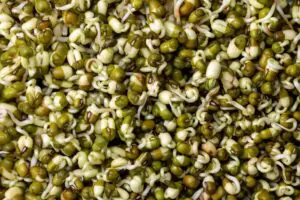
Chen, L.; Tan, J. T. G.; Zhao, X.; Yang, D.; Yang, H. Energy Regulated Enzyme and Non-Enzyme-Based Antioxidant Properties of Harvested Organic Mung Bean Sprouts (Vigna Radiata). LWT 2019, 107, 228–235.
https://doi.org/10.1016/j.lwt.2019.03.023
The antioxidant mechanisms of organic mung bean sprouts were examined under energy-regulated conditions. During six days of germination, H₂O₂ levels increased from 0.04 to 2.09 mmol kg⁻¹, while enzymatic and non-enzymatic antioxidants jointly maintained redox balance. Exogenous ATP elevated intracellular adenylate by 25% and enhanced antioxidant enzyme activities by 12.45–38.82% during early germination, promoting accumulation of nutritive antioxidants. In contrast, 2,4-dinitrophenol (DNP) depleted cellular energy, reducing enzyme activities and inducing excessive antioxidant consumption. Overall, controlled energy enhancement improved antioxidant performance and nutrient retention, suggesting that positive energy regulation can enhance the nutritive quality of mung bean sprouts.
Whitham, J. M.; Moon, J.-W.; Rodriguez, M.; Engle, N. L.; Klingeman, D. M.; Rydzak, T.; Abel, M. M.; Tschaplinski, T. J.; Guss, A. M.; Brown, S. D. Clostridium Thermocellum LL1210 pH Homeostasis Mechanisms Informed by Transcriptomics and Metabolomics. Biotechnol Biofuels 2018, 11 (1), 98.
https://doi.org/10.1186/s13068-018-1095
Clostridium (Ruminiclostridium) thermocellum is a model anaerobic thermophile used in the bioconversion of lignocellulosic biomass into fuels and chemicals. This study investigated pH homeostasis in the high-ethanol–producing strain LL1210 under controlled chemostat conditions. Growth was limited below pH 6.24, where F₁F₀-ATPase expression increased, while ATP-consuming pathways, including flagellar biosynthesis, motility, nitrogen metabolism, and fatty acid synthesis, were downregulated. Differential expression analysis revealed inverse transcriptional patterns between F₁F₀-ATPase and other ATP-utilizing genes. At acidic pH, intracellular accumulation of amino acids (e.g., glutamate, valine), long-chain fatty acids, and glycolytic intermediates was observed. These results provide insights into acid stress responses and identify potential genetic targets for enhancing acid tolerance in C. thermocellum.
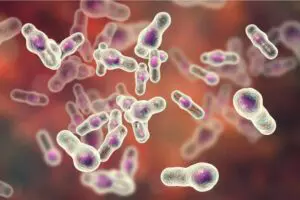
Papanek, B. A.; Alexandra, B. Improving Metabolic Engineering and Characterization of Clostridium Thermocellum for Improved Cellulosic Ethanol Production University of Tennessee, Knoxville, 2018.
https://trace.tennessee.edu/utk_graddiss/3870/
Biofuels represent a sustainable alternative to fossil fuels. Transitioning from food-based to lignocellulosic feedstocks is essential to avoid competition with food crops. Lignocellulosic biofuels utilize biomass such as switchgrass, poplar, or corn stover, but current production is limited by the cost of converting cellulose to fermentable sugars. Clostridium thermocellum is a promising organism for advanced biofuel production due to its ability to directly convert cellulose to ethanol without added enzymes. Industrial implementation, however, faces challenges including low titers, byproduct formation, and limited genetic tractability. This work focuses on improving C. thermocellum through metabolic engineering, adaptive evolution, and optimized cultivation to enhance ethanol yield, growth, and genetic transformation efficiency.
Hussain, B.; Sultana, T.; Sultana, S.; Ahmed, Z.; Mahboob, S. Study on Impact of Habitat Degradation on Proximate Composition and Amino Acid Profile of Indian Major Carps from Different Habitats. Saudi Journal of Biological Sciences 2018, 25 (4), 755–759.
https://doi.org/10.1016/j.sjbs.2018.02.004
This study evaluated the effect of habitat degradation on the proximate composition and amino acid profiles of Catla catla, Labeo rohita, and Cirrhinus mrigala fish collected from polluted, non-polluted (upstream), and farmed environments of the River Chenab. Fish from polluted sites showed lower essential amino acid concentrations and higher levels of certain non-essential amino acids, such as cysteine, compared with upstream and farmed specimens. The highest protein content and best amino acid balance were found in fish from non-polluted and farmed habitats, indicating superior nutritional quality. The findings suggest that habitat degradation reduces fish meat quality, emphasizing the need for ecological restoration to ensure a sustainable supply of nutritionally valuable fish.
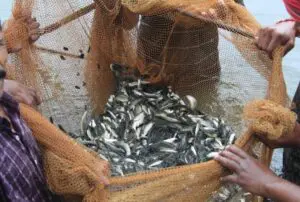

Hall, H. N.; Masey O’Neill, H. V.; Scholey, D.; Burton, E.; Dickinson, M.; Fitches, E. C. Amino Acid Digestibility of Larval Meal (Musca Domestica) for Broiler Chickens. Poultry Science 2018, 97 (4), 1290–1297.
https://doi.org/10.3382/ps/pex433
The study evaluated housefly (Musca domestica) larvae reared on broiler manure as a potential alternative protein source to fishmeal in broiler diets. The larvae contained over 45% crude protein (dry weight) with high levels of lysine and methionine. Apparent and true ileal digestibility coefficients (AIDC and TIDC) of amino acids were determined in broilers fed diets containing insect larval meal (ILM) or fishmeal (FM). No significant differences in amino acid digestibility were observed between ILM and FM. Additionally, ILM feeding caused no adverse effects, such as gizzard erosion or eye discharge. The findings indicate that M. domestica larvae meal is a viable alternative to fishmeal for poultry nutrition.
Gorlov, I. F. Chemical Composition, Biological Values And Processing Properties Of Meat From Pigs Fed With A New Biologically Active Supplement In Their Rations. Res. J. Pharm., Biol. Chem. Sci. 2018, 9 (6).
https://www.rjpbcs.com/pdf/2018_9(6)/[248].pdf
The study examined the effect of the “MegaStimImmuno” feed supplement, containing biologically active substances, on the productivity and meat quality of pigs (Large White × Landrace × Duroc). The supplement was administered at 2 kg/t from days 5–28 and 1 kg/t from days 29–77. Pigs receiving the supplement showed higher live weight from day 56 to the end of fattening, as well as improved slaughter yield and optimal meat-to-fat ratio. Analysis of the Longissimus dorsi muscle revealed enhanced protein content, amino acid balance, and technological properties. The results indicate that “MegaStimImmuno” improved growth performance and the biological and processing quality of pork.

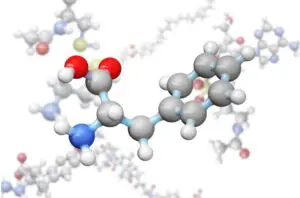
Ekin, S.; Dogan, M.; Gok, F.; Karakus, Y. Assessment of Antioxidant Enzymes, Total Sialic Acid, Lipid Bound Sialic Acid, Vitamins and Selected Amino Acids in Children with Phenylketonuria. Pediatr Res 2018, 84 (6), 821–828.
https://doi.org/10.1038/s41390-018-0137-2
This study evaluated oxidative stress parameters, antioxidant enzyme activities, and amino acid levels in children with phenylketonuria (PKU) compared to healthy controls. Sixty PKU patients were divided into hyperphenylalaninemia (HPA) and amino acid mixture (AAM) groups, and 30 healthy children served as controls. The HPA group exhibited significantly reduced GSH-Px, CAT, GSH, TAS, α-aminobutyric acid, and taurine levels, while the AAM group showed lower CAT, TAS, and phylloquinone concentrations compared with controls. A strong positive correlation was identified between phenylalanine and α-aminoadipic acid (r = 0.777, p = 0.002). The findings suggest that α-aminoadipic acid and phylloquinone may serve as potential biochemical indicators for PKU, and supplementation with α-aminobutyric acid and phylloquinone could help mitigate oxidative damage associated with the disorder.
Tian, L.; Perot, S. J.; Hon, S.; Zhou, J.; Liang, X.; Bouvier, J. T.; Guss, A. M.; Olson, D. G.; Lynd, L. R. Enhanced Ethanol Formation by Clostridium Thermocellum via Pyruvate Decarboxylase. Microb Cell Fact 2017, 16 (1), 171.
https://doi.org/10.1186/s12934-017-0783-9
Pyruvate decarboxylase (PDC) plays a central role in ethanol biosynthesis but has limited stability at elevated temperatures. Eight bacterial PDCs were evaluated for thermostability and potential to enhance ethanol production in Clostridium thermocellum. Most purified enzymes retained approximately 20% activity after 30 min at 55 °C. Expression of all PDC genes, except that from Zymomonas mobilis, improved ethanol yield in C. thermocellum. Co-expression of the pdc gene from Acetobacter pasteurianus and the adhA gene from Thermoanaerobacterium saccharolyticum further enhanced performance, resulting in 21.3 g/L ethanol from 60 g/L cellulose, equivalent to 70% of the theoretical yield. These findings identify A. pasteurianus PDC as an effective thermostable enzyme for high-temperature ethanol production.

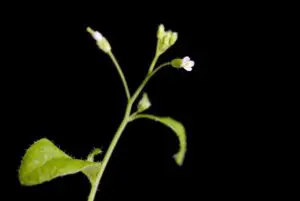
Luo, L.; Zhang, P.; Zhu, R.; Fu, J.; Su, J.; Zheng, J.; Wang, Z.; Wang, D.; Gong, Q. Autophagy Is Rapidly Induced by Salt Stress and Is Required for Salt Tolerance in Arabidopsis. Front. Plant Sci. 2017, 8, 1459.
https://doi.org/10.3389/fpls.2017.01459
Salinity stress limits plant growth and crop productivity by disrupting ion homeostasis and inducing oxidative damage. This study investigated the role of autophagy in the salt stress response of Arabidopsis thaliana. Confocal microscopy of GFP-ATG8a and immunoblotting of ATG8s and NBR1 revealed rapid induction of autophagy within 30 min of salt exposure, followed by stabilization to a new homeostatic level. Mutants deficient in autophagy (atg2, atg7) accumulated oxidized proteins and exhibited hypersensitivity to salt and osmotic stress, whereas ATG8-overexpressing lines showed enhanced tolerance and improved germination. Quantitative and imaging analyses demonstrated that autophagy facilitates Na⁺ sequestration in root vacuoles and promotes osmolyte accumulation. These findings indicate that dynamic autophagic flux is essential for maintaining cellular homeostasis and conferring salt stress tolerance in Arabidopsis.
Tian, L.; Papanek, B.; Olson, D. G.; Rydzak, T.; Holwerda, E. K.; Zheng, T.; Zhou, J.; Maloney, M.; Jiang, N.; Giannone, R. J.; Hettich, R. L.; Guss, A. M.; Lynd, L. R. Simultaneous Achievement of High Ethanol Yield and Titer in Clostridium Thermocellum. Biotechnol Biofuels 2016, 9 (1), 116
https://doi.org/10.1186/s13068-016-0528-8
Biofuel production from cellulosic biomass offers a sustainable alternative to petroleum-based fuels. Clostridium thermocellum can efficiently solubilize and ferment cellulose, making it a strong candidate for consolidated bioprocessing. To enhance ethanol yield, an engineered strain lacking competing metabolic pathways was subjected to two adaptive evolution stages. The evolved strain produced 22.4 ± 1.4 g/L ethanol from 60 g/L cellulose, achieving 0.39 g ethanol/g glucose equivalent — approximately 75% of the theoretical maximum. Comparative genomic, proteomic, and biochemical analyses identified key adaptations associated with improved performance. This strain exhibits the highest reported ethanol yield and titer for C. thermocellum, representing a significant advance toward industrial biofuel production.
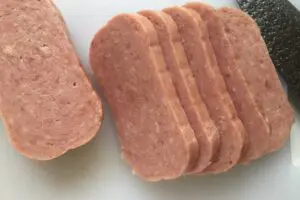
Krylova, V. B. Redox potential and dynamics of protein and fat destruction during storage of canned meat in pieces. Teor. prakt. pererab. mâsa (Print) 2016, 1 (2), 26–33.
https://doi.org/10.21323/2414-438X-2016-1-2-26-33
This study investigated the redox potential (Eh) and physicochemical indicators of canned beef and pork during storage to assess correlations with protein and fat degradation. The dynamics of Eh, free amino acids, and fatty acid fractions differed between meat types. In canned beef, decreases in Eh and free amino acids occurred gradually, whereas pork products showed distinct stages of change. Both products exhibited an increase in saturated fatty acids accompanied by a reduction in mono- and polyunsaturated fatty acids, averaging 6%. The decline in unsaturated fatty acids was approximately four times more pronounced in pork than in beef, indicating higher oxidative activity during storage.
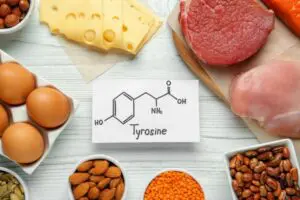
Kröckel, L.; Schmidt, H.; Andrée, S. Tyrosine Deposits in Brines of Salted Natural Sausage Casings of Bovine Origin. LWT – Food Science and Technology 2016, 68, 381–384.
https://doi.org/10.1016/j.lwt.2015.12.043
Tyrosine was identified as the principal component of water-insoluble white particles found in salted bovine small intestines intended for sausage casings. Salt sludge from transport casks contained over 2.5% (w/w) of these particles, while intestinal wash-off yielded 0.04% (w/w). Confocal Raman microscopy confirmed tyrosine as the major constituent with minor phenylalanine admixture. Quantitative amino acid analysis revealed 85.5 ± 2.3% tyrosine and 5.0 ± 0.2% phenylalanine. Brine samples exhibited a typical amino acid profile dominated by glutamate, leucine, alanine, and lysine. The data suggest that endogenous proteolytic activity, rather than microbial processes, likely caused the tyrosine precipitation.

Gulsun, M. Possible Relationship between Amino Acids, Aggression and Psychopathy. Int J Psychiatry Clin Pract. 2016.
https://doi.org/10.3109/13651501.2016.1144771
Aggressive behavior has been linked to reduced serotonin metabolism, yet the role of serotonin precursors in violent individuals remains unclear. This study investigated the relationship between psychopathy, anger, and serum amino acid profiles in 52 male patients with antisocial personality disorder (APD) and 30 healthy controls. Amino acid levels were measured by HPLC, and aggression was assessed using standardized scales. Patients with APD showed higher levels of phosphoserine, aspartic acid, glutamic acid, aminoadipic acid, and 1-methylhistidine, while levels of tryptophan, asparagine, tyrosine, histidine, and arginine were lower. Histidine, methionine, and GABA correlated positively with aggression scores, indicating biochemical associations with aggressive and psychopathic traits.
Bala, K. A.; Doğan, M.; Mutluer, T.; Kaba, S.; Aslan, O.; Balahoroğlu, R.; Çokluk, E.; Üstyol, L.; Kocaman, S. Plasma Amino Acid Profile in Autism Spectrum Disorder (ASD). European Review for Medical and Pharmacological Sciences 2016.
https://www.europeanreview.org/wp/wp-content/uploads/923-929.pdf
This study investigated plasma amino acid profiles in children with autism spectrum disorder (ASD) compared to healthy controls, considering serum vitamin B12 and D levels. Forty-two participants aged 2–18 years were enrolled (21 with ASD and 21 matched controls). Significant differences were observed in plasma levels of ammonium, phosphoethanolamine, histidine, homocysteine, carnosine, methionine, cystathionine, cystine, threonine, 3-methylhistidine, and in the phenylalanine/tyrosine ratio. Vitamin B12 and D levels were significantly lower in the ASD group. After adjustment for these vitamins, significant group differences persisted for phosphoethanolamine (p=0.04), cystathionine (p<0.001), cystine (p=0.006), and threonine (p=0.02). These findings suggest metabolic alterations in amino acid pathways associated with ASD, potentially influenced by vitamin B12 and D deficiencies.


Rydzak, T.; Lynd, L. R.; Guss, A. M. Elimination of Formate Production in Clostridium Thermocellum Journal of Industrial Microbiology and Biotechnology 2015, 42 (9), 1263–1272.
https://doi.org/10.1007/s10295-015-1644-3
Clostridium thermocellum is a promising organism for consolidated bioprocessing of cellulose to ethanol but suffers from low yields due to carbon and electron flux diversion to by-products such as formate, H₂, lactate, and acetate. To minimize formate production, the pflA and pflB genes encoding pyruvate:formate lyase and its activating enzyme were deleted. The Δpfl mutant completely lost formate formation and showed a 50% reduction in acetate production under both complex and defined media. Growth rate decreased by 2.9-fold in defined medium but was partially restored (to 80%) by formate supplementation. These results clarify the role of pfl in C1 metabolism and provide insights for metabolic engineering to improve ethanol yields.
Mahboob, S. Isolation and Characterization of Collagen from Fish Waste Material- Skin, Scales and Fins of Catla Catla and Cirrhinus Mrigala. J Food Sci Technol2015, 52 (7), 4296–4305.
https://doi.org/10.1007/s13197-014-1520-6
Collagen was extracted and characterized from the skin, scales, and fins of Catla catla and Cirrhinus mrigala collected from a commercial fish farm. SDS-PAGE analysis revealed molecular weight ranges of 120–210, 70–201, and 68–137 kDa for C. catla and 114–201, 77–210, and 70–147 kDa for C. mrigala, respectively. Glycine and alanine were the most abundant amino acids, while tryptophan was absent. Imino acid (proline, hydroxyproline) contents varied slightly between species and tissues. The highest protein contents were found in the W3 weight group: 26.1% (C. catla) and 22.9% (C. mrigala) in skin, 25.9% and 21.8% in scales, and 19.0% and 18.1% in fins, respectively. These results indicate interspecies and tissue-specific differences in collagen composition and protein levels.
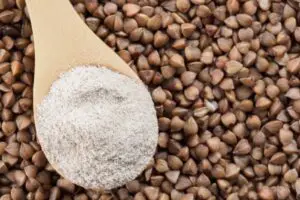
Bobkov, S. V. Biochemical characteristic of seeds proteins of modern buckwheat varieties. Zemledelie 2015, 5.
This study analyzed modern buckwheat (Fagopyrum esculentum) varieties to assess protein content, amino acid composition, and the properties of protein isolates. Protein and fat contents were determined using UDK 152 and SER 148 analyzers, while amino acids were quantified with an ARACUS analyzer. Buckwheat groats contained 13.5–16.2% protein, with the highest levels in varieties Dikul (15.9%) and Design (16.2%). Threonine and lysine were the most abundant amino acids. Protein isolates obtained through alkaline extraction and acid precipitation showed a fivefold increase in protein content compared to groats (70.6% vs. 13.7%). Fat content in isolates averaged 3.4%. The results highlight buckwheat’s high protein quality and potential for innovative food processing applications.
Maci̇T, E.; Kizilgün, M.; Çakir, E.; Karaoğlu, A.; Akgül, E. Ö.; Öztosun, M.; Aydin, İ.; Aydin, F. N.; Ağilli, M.; Türker, T.; Oğur, R.; Gülcan Kurt, Y.; Gül, H.; Çayci, T.; Özkan, E. Pediatric Reference Intervals for Plasma and Urine Essential Amino Acids in a Turkish Population. Turk J Med Sci 2014, 44, 323–329.
https://doi.org/10.3906/sag-1302-30
This study established age- and sex-specific reference intervals for essential amino acids in healthy Turkish children. A total of 945 participants (531 boys, 414 girls; 0–14 years) were analyzed for plasma and urine amino acid concentrations using high-performance liquid chromatography. Plasma amino acid levels were higher in girls than boys at 0–1 months and 7–14 years, while urine levels were higher in girls only at 0–1 months. Sex-related differences were observed for leucine, isoleucine, valine, phenylalanine, lysine, and histidine in plasma, which increased with age in boys, and for leucine, tryptophan, methionine, and lysine in urine, which decreased with age in girls. These data provide reference intervals for clinical use in Turkish pediatrics.

Chernykh, A. Aromatic amino acids metabolism in humans exposed to experimental severe acute short-term normobaric hypoxia. “Экология человека” Human Ecology 2013, No. 07.
https://hum-ecol.ru/1728-0869/article/view/17334
Acute hypoxia poses a major risk in aviation, emphasizing the need to enhance human resistance to oxygen deficiency. This study examined the metabolism of aromatic amino acids in volunteers breathing a hypoxic gas mixture (9% O₂). Exposure to hypoxia in the postprandial state significantly reduced plasma tyrosine and phenylalanine levels during early recovery. These amino acids, as precursors of catecholamines (dopamine, epinephrine, norepinephrine), are suggested to contribute to adaptive mechanisms that improve hypoxic resistance in humans.
Celik, I. H.; Demirel, G.; Canpolat, F. E.; Dilmen, U. Reduced Plasma Citrulline Levels in Low Birth Weight Infants With Necrotizing Enterocolitis. Clinical Laboratory Analysis 2013, 27 (4), 328–332.
https://doi.org/10.1002/jcla.21607
Citrulline, a nonprotein amino acid synthesized in the small intestine, reflects enterocyte function. This study assessed plasma citrulline in preterm neonates (<32 weeks, ≤1500 g) with necrotizing enterocolitis (NEC). Plasma amino acids were analyzed by high-performance liquid chromatography in 36 infants (20 with NEC, 16 controls). Median citrulline and arginine levels were significantly lower in NEC infants (8.6 vs. 20.18 μmol/L and 22.02 vs. 39.89 μmol/L, respectively; P < 0.05). Optimal diagnostic cutoffs were 13.15 μmol/L for citrulline and 28.52 μmol/L for arginine. Nutritional factors did not influence levels. Reduced citrulline and arginine may serve as biomarkers for intestinal dysfunction and prognosis in preterm infants with NEC.

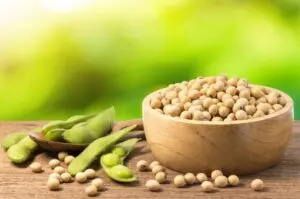
Bobkov, S. V. Amino Acid Composition of Storage Proteins in Modern Soybean Varieties. Bulletin Orel GAU 2013, 1.
Amino acid composition of storage proteins in pea subspecies: sativum, elatius, asiaticum, syriacum, transcaucasicum, abyssinicum was studied. Content of essential amino acid histidine, lysine, leucine and phenylalanine together with tyrosine was higher than recommended by FAO/WHO (2002) for human nutrition. Valine, isoleucine and methionine were in deficiency. Accessions of wild taxa with increased content of valine and methionine were determined. Cluster analysis was conducted on the data of amino acid content. Correlations on essential amino acids composition were determined.
Mewis, I.; Khan, M. A. M.; Glawischnig, E.; Schreiner, M.; Ulrichs, C. Water Stress and Aphid Feeding Differentially Influence Metabolite Composition in Arabidopsis Thaliana (L.). PLoS ONE 2012, 7 (11), e48661.
https://doi.org/10.1371/journal.pone.0048661
This study examined how drought and water stress affect secondary metabolism and aphid performance in Arabidopsis thaliana. Plants were grown under well-watered, drought, and water-logged conditions and exposed to the generalist aphid Myzus persicae and the specialist Brevicoryne brassicae. Drought increased sucrose and amino acids (glutamic acid, proline, isoleucine, lysine) in phloem sap while reducing 4-methoxyindol-3-ylmethyl glucosinolate. M. persicae thrived under drought, but B. brassicae showed no response to water regime. Drought and water-logging elevated aliphatic glucosinolates and flavonoids, whereas aphid feeding, especially by M. persicae, suppressed their accumulation. B. brassicae specifically induced CYP79B2, CYP79B3, and PAD3 expression, leading to camalexin accumulation, suggesting specialized defense adaptation in A. thaliana.

Borovitskiy, M. V. Influence of Composition and Properties of Milk Obtained from Cows of Different Breeds on Cheese Production. Food Engineering and Technology 2012.
https://fptt.ru/en/issues/7305/7309/
Cheeses produced from milk of different cow breeds (Yaroslavskaya, Holsteinskaya, Cherno-perstraya, and Simmentalskaya) were analyzed for lactic acid microflora, nitrogen fractions, free amino acids, and organoleptic properties. Milk from Yaroslavskaya and Cherno-perstraya breeds was found most suitable for cheese production requiring low second-heating temperatures, due to favorable biochemical and sensory characteristics.
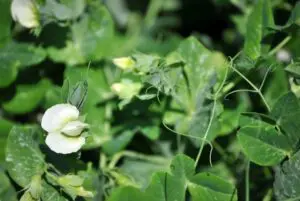
Bobkov, S. V. Amino Acid Composition of Storage Proteins in Wild Subspecies of Pea (Pisum Sativum L.). Bulletin Orel GAU 2012.
Storage proteins band and amino acid composition of soybean varieties allowed to use in different regions of Russian Federation was studied. Soybean varieties have a low polymorphism of storage protein bands. Content of valine, methionine and aromatic amino acids has a high level of variability. Region of allowance is not associated with peculiarity of storage proteins band and amino acid composition. Storage proteins of wild accession K-10808 and varieties Krasivaya Mecha and Merlin in compare to others have more optimal composition of essential amino acids.
Irina, C. Comparative Study of Meat Composition from Various Animal Species. Tehnologija mesa 2011.
The fatty and amino acid composition of meats from various animal species was analyzed to improve identification of raw materials and optimize meat product formulations. Characteristic fatty acid ratios were determined for species including sheep, pigs, cows, horses, poultry, and game. Horsemeat showed notably high proportions of C18 fatty acids (oleic, linoleic, linolenic), with a C18:C12 ratio up to 18 times higher than in beef. Amino acid ratios of arginine, histidine, and lysine were also defined, remaining consistent across age and weight. VOC-based analysis effectively differentiated meat species, supporting reliable identification for advanced meat product development.